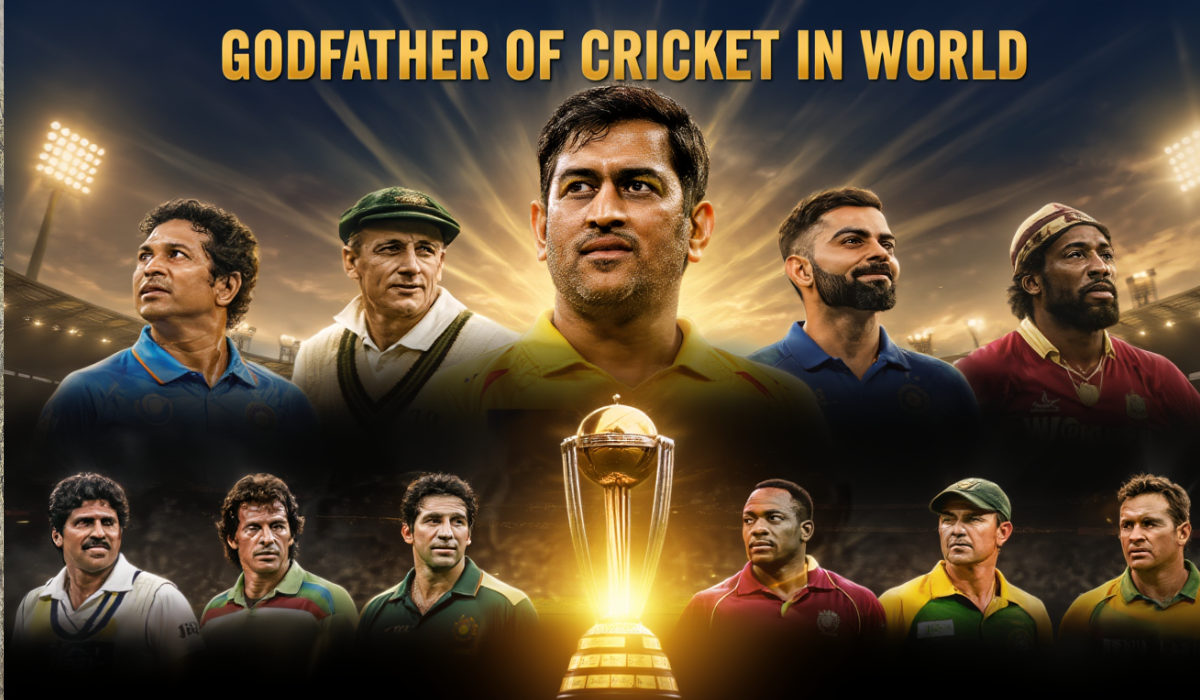
Godfather of Cricket in World
Cricket is not just a sport. To billions of people in South Asia, the Caribbean, Australia, England, and beyond, a feeling, a culture, and a way of life. In a game that means so much to people, some players transcend not merely runs and wickets but the very sport. These are the men that fans and historians refer to as the godfather of cricket in the world.
Now this title is not an official ICC badge, nor an award ceremony that will fall in line, nor a trophy. But it bears far more than that – the weight of a legacy, the reverence of generations, and true, purposeful power. The godfather of cricket is the only guy whose name inspires a boy to grab a bat, an innings leaves a man in tears, and his leadership makes a nation hope.
In this article, we look at who are perhaps the best nominees for such an honorary title, what it actually takes to earn it, and how these legendary players become a part of cricket’s soul.
What Is The Meaning Of GodFather Of Cricket In World?
Before we go naming names, it will be helpful to understand what the title of this piece is really asking. The use of godfather, taken from its wider usage, means that the person is a protector, innovator, and leader in their field. Cricket is deeper than statistics.
A real cricketing godfather in the world must have altered the way the game is played, enjoyed, and remembered. And not merely from fans in their own country, but commanding respect from rivals, commentators, historians, and players in all other cricketing nations. People must be more than just the working period of their careers – they should affect those generations that come after them. Stats are important, sure, but legacy is more important.
Famous “Godfather of Cricket in World” Players
| Player | Country | Why Called “Godfather of Cricket” | Era |
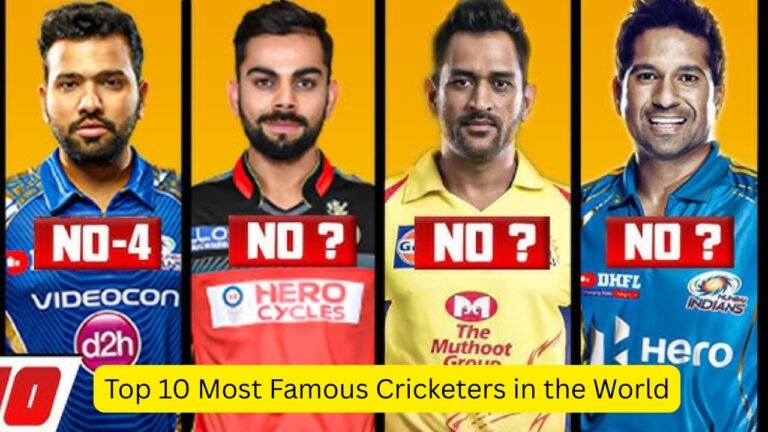
| Sachin Tendulkar | India | Master Blaster, most international runs and centuries | 1989–2013 |
| Sir Donald Bradman | Australia | Greatest batting average in cricket history (99.94) | 1928–1948 |
| MS Dhoni | India | Legendary captain, won all ICC trophies | 2004–2020 |
| Virat Kohli | India | Modern-day batting king and global cricket icon | 2008–Present |
| Kapil Dev | India | India’s first World Cup-winning captain | 1978–1994 |
| Viv Richards | Holder of the highest individual Test score | Dominated world cricket with fearless batting | 1974–1991 |
| Shane Warne | Australia | Revolutionized leg-spin bowling | 1992–2007 |
| Jacques Kallis | South Africa | One of cricket’s greatest all-rounders | 1995–2014 |
| Wasim Akram | Pakistan | Sultan of Swing bowling | 1984–2003 |
| Brian Lara | West Indies | Holder of highest individual Test score | 1990–2007 |
| Ricky Ponting | Australia | Multiple World Cup-winning captain | 1995–2012 |
| Imran Khan | Pakistan | Inspirational leader and 1992 World Cup winner | 1971–1992 |
W. G. Grace: The Original Godfather of Cricket
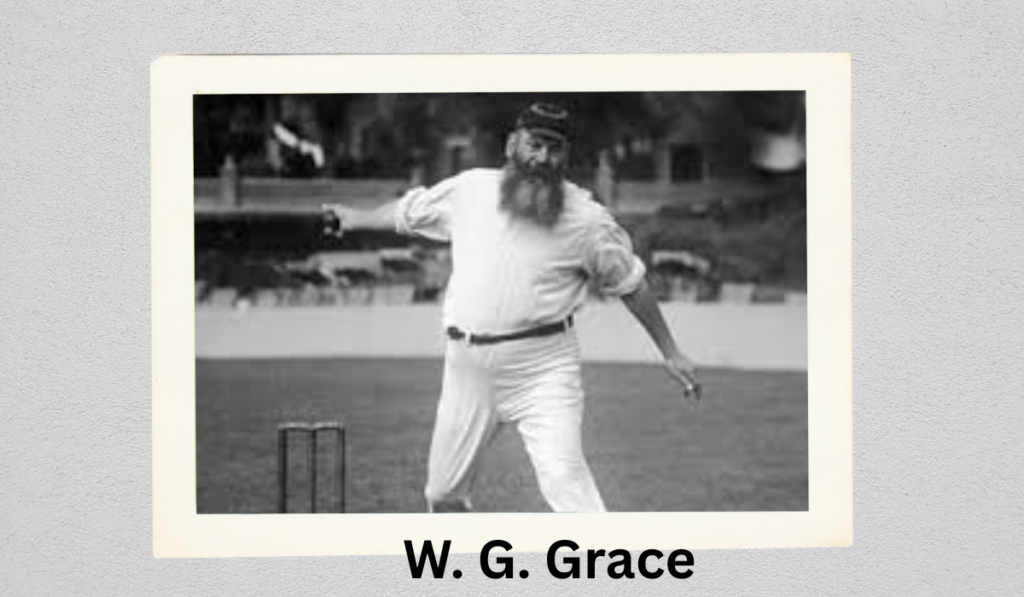
Even before the days of televised matches, T20 leagues, or billion-dollar broadcast deals, cricket became a global sport because of one man. William Gilbert Grace – W.G. Grace – is the original godfather of cricket in the world, as first regarded for that matter, in the late second half of the 19th century, with his unparalleled talent, charisma, and undeniable dominance in the game.
Ever since then, cricket has produced numerous stars, but the real order was set by none other than Grace. With his size, he attracted gigantic crowds at each venue where he played, brought unprecedented exposure to the sport, and elevated the standards for playing better than anyone before him. It was not just runs: it was adding meaning to cricket. Insviатаць na karieru; otogo, chto podolzhalosʹ prozhyvatʹ. These days, most historians just refer to him as the “Father of Cricket,” and that’s all one needs to know.
Read more: Arun Jaitley Stadium | Sunrisers Hyderabad Vs Kolkata Knight Riders Scorecard
Statistical Godfather: Sir Donald Bradman
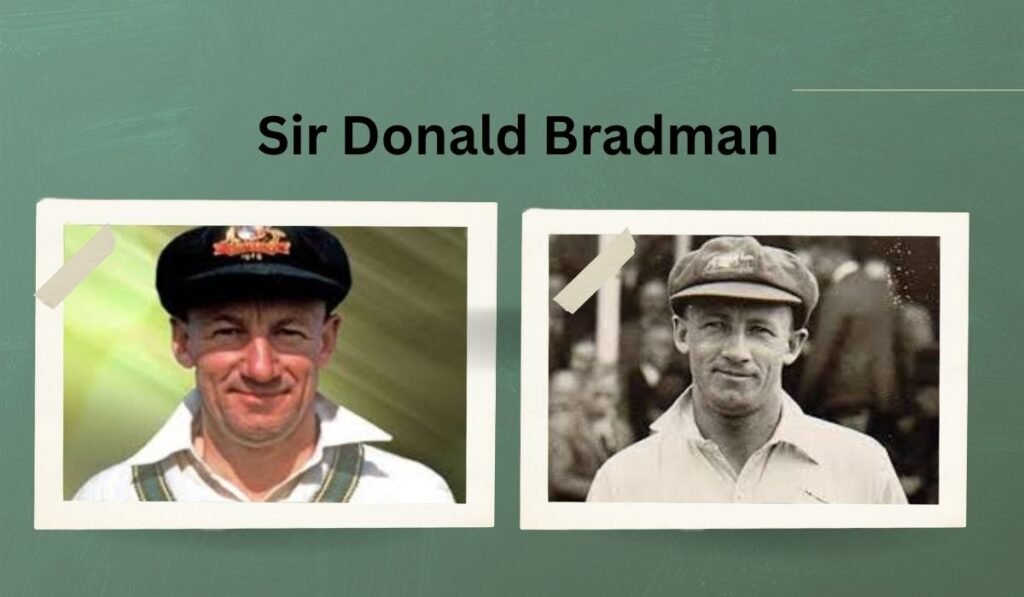
In most sports, numbers eventually count for nothing. Not Sir Donald Bradman’s. Almost 80 years after his retirement, his Test batting average of 99.94 is still the most remarkable statistical feat in sporting history – not just cricket. To appreciate how amazing that is, a Test average of 50 would be considered excellent for any modern batsman. That was almost double what Bradman managed in 52 Test matches against the finest bowlers of his time.
And as Bradman played through the 1930s and 1940s, two of the bloodiest decades in human history, he provided not just brilliance but belief for a nation needing something to cling to. He was not just a great cricketer; he was a national figure, an inspiration through the Great Depression and beyond the years after World War II. He was technically flawless, mentally resolute, and possessed a relentless voracity for runs never to be seen before or again in the game. When it comes to statistics-based arguments, you will never find Bradman not holding the title of Godfather of cricket in the world.
Sachin Tendulkar: The Worldwide Poster Boy of Cricket
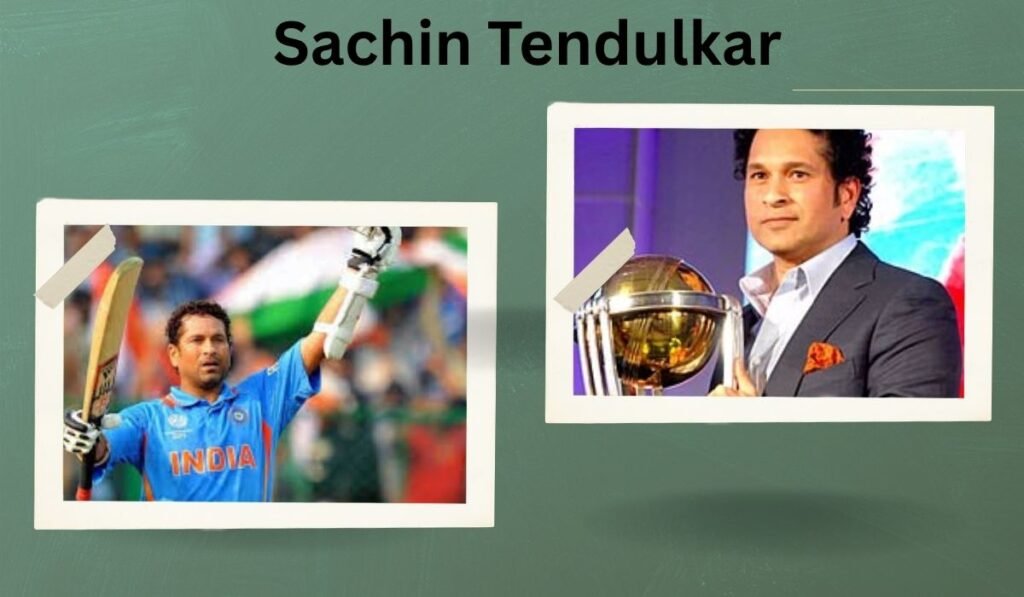
And if Bradman fixed greatness in one format, then Sachin Tendulkar reinvented it over a quarter-century of international cricket. Tendulkar is without a doubt the most talented batsman of all time, with 34,357 international runs and 100 international centuries over a career that lasted from 1989 to 2013. However, the numbers impressive though they are, only tell half of the real story.
Tendulkar’s true power was cultural. He had a billion people to play for – literally – and those billion lived and died with every ball he took on the chin. From the age of sixteen, he bore the hopes of a nation on his delicate frame and did so with remarkable grace, humility, and consistency. Throughout most of the 1990s, when Indian cricket was going through some of its most miserable phases, Tendulkar remained a single constant beacon.
He had been an inspiration for the likes of Virat Kohli, Rohit Sharma, and a whole generation of cricketers who grew up watching him on their television screens. He also played a role in transforming cricket into an industry with figures from around the world. But for the sheer scale of his legacy – in runs, in records, and at driving cricket’s growth, there aren’t many stronger lord-of-the-game contenders than Sachin Tendulkar.
MS Dhoni: The Modern Godfather of Cricket
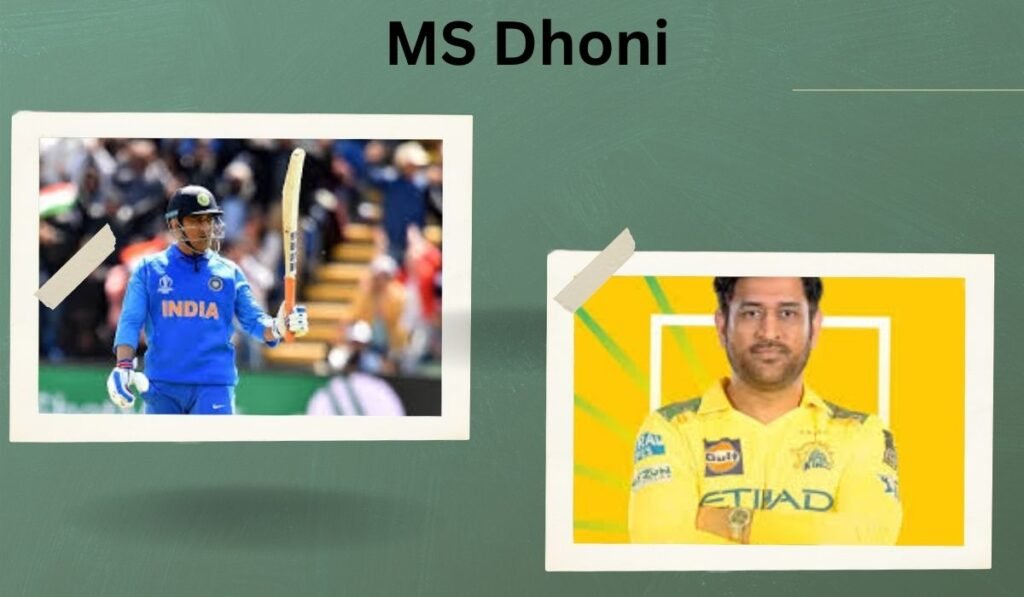
Some greatness against the grain does not announce itself. MS Dhoni itself was quite great: at its most evident in the last over, encompassing perhaps the toughest decision to bestow under such insane pressure. He is the only captain in history to have won all three ICC trophies with victory in the T20 World Cup in 2007, the ODI World Cup in 2011, and the Champions Trophy in 2013. That alone would write anyone into the history books. However, Dhoni’s influence extends a lot beyond it.
He revolutionised the far role of a finisher as a wicketkeeper-batsman, especially in limited-overs cricket. His helicopter shot became iconic. His lightning-fast stumpings became legendary. His calm, his capacity to read a match situation and call things correctly under pressure but without panicking – always with an aura of composure – inspired a generation of captains and players who studied his methods.
Further on, he guided some of the biggest names in modern Indian cricket, individuals who developed into starlit entities for the team. His record with Chennai Super Kings in the IPL scarcely needs an introduction. Our saying also doesn’t make sense. When fans hail MS Dhoni as the godfather of cricket in the world for modern times, they are not being sentimental. They are being accurate.
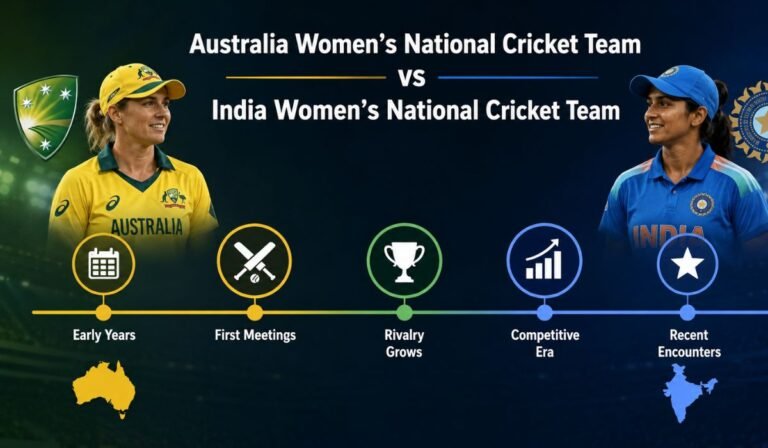
Read more: Impact Player Rule in IPL | Australia Women’s National Cricket Team vs India Women’s National Cricket Team Timeline
Viv Richards: The Fearless Pioneer
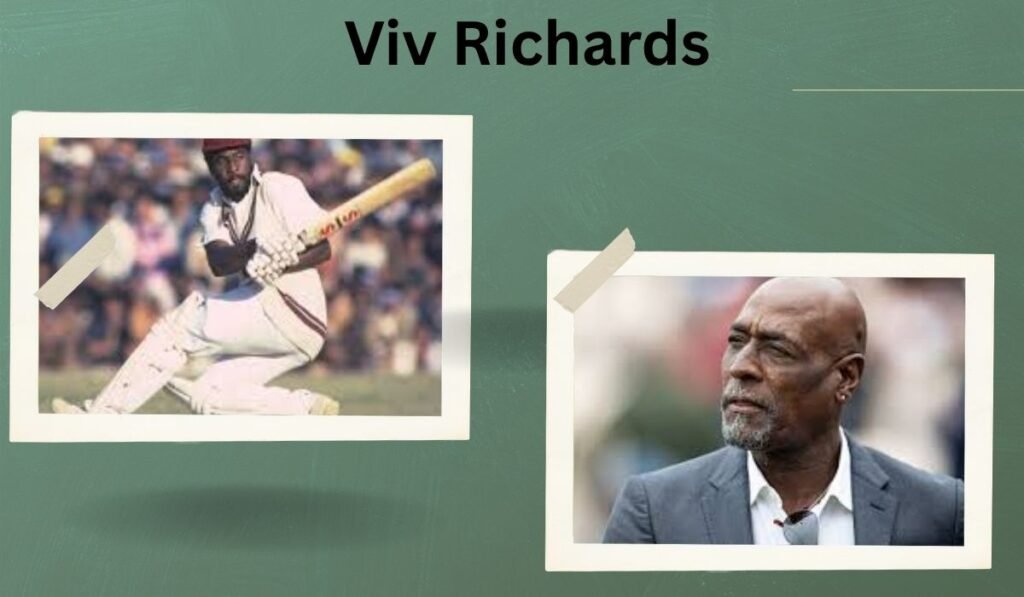
Sir Viv Richards: No discussion about the godfather of cricket in world is complete without this man. In an age when the West Indies ruled the roost in cricket during the 1970s and 1980s, the beating heart of that juggernaut was Richards. Richards was not just another great batsman playing in his time; it was the mindset that made him different from so many of his peers. Without a helmet, he ambled to the crease and faced off against the world’s quickest bowlers, attacking with a ferocity that cricket had never seen so precisely wielded.
Back then, Richards altered the way batsmen thought about batting. He proved that a batsman need not be defensive, tentative, and reactive. He could be the aggressor. He could dominate. He turned Caribbean cricket into a cultural phenomenon and, with his audacious approach at the crease, encouraged many cricketers around the world to adopt increased aggression. His impact on the modern power-hitting player is still being felt to this day.
Imran Khan: The Transformational Captain
The history of cricket is littered with stories of leadership, none greater than that of Imran Khan. The Pakistani all-rounder was a brilliant fast bowler and an able batsman, but his most important contribution to the game came from his leadership skills and vision. Pakistan, under him, had one of the most feared fast-bowling cultures in world cricket. When elitism was less popular in tennis, he motivated players to embrace fitness, discipline, and tactical intelligence.
His biggest win was at the 1992 Cricket World Cup, when a confident Pakistan team that had been labelled ‘cornered tigers’ pulled off an improbable victory under his guidance. This tournament is the stuff of some of cricket’s greatest stories, and it sealed Imran Khan not only as a pivotal character in Pakistani cricket history but also as one for the game itself. His impact on generations of subcontinental fast bowlers adds weight to his being a deserving inclusion in any debate around the godfather of cricket in the world.
Jacques Kallis and the Underrated Greats
Though the spotlight tends to be on batsmen, the title of godfather of cricket in world also belongs to others who have played a vital role in off-field events. Jacques Kallis is the most underrated great in cricket history. Kallis has scored more than 13,000 runs in Tests and taken almost 300 Test wickets, at the same time functioning as a top-order batsman and genuine frontline bowler. A feat that no player in the history of the game has managed. His era was hugely built around starring for South Africa while dominating Test cricket.
Indeed, Asif and Akhtar followed in the footsteps of giants like Wasim Akram, who pioneered reverse swing, Shane Warne, who resurrected leg-spin from a depleted relic into an art form that could win matches again, and Brian Lara, whose batting was so beguilingly bewitching memorably tied his genius to his name. The impact of these players on the game cannot simply be expressed through statistics.
Is the Global Founding Godfather of Cricket the One Who Comes on Sacred Fire?
If forced to choose just one name, most fans from every era will fall back on one of three options: Bradman for statistically unrivalled success in Tests; Tendulkar for unparalleled global cultural relevance; or Dhoni for influence as a modern leader and cross-format authority. Really, however, the truth is that there is not just one godfather of cricket in world. They are a lineage, a flame passed from hand to hand across generations – from Grace to Bradman, to Tendulkar, and then Dhoni and Kohli.
All these names each denote a fresh chapter in cricket’s story. Together, they make up cricket – a sport of 1 billion fans, a multi-billion pound enterprise, and the home of heroes through time – that can still hold a nation to collective breath over one ball.
Conclusion
The phrase ” Godfather of cricket on Earth ” is not bestowed freely, nor easily. It is for the men who not only play the game, but also become the game. W.G. Grace built the foundation. Bradman set the standard. Tendulkar globalized it. Dhoni perfected leadership. Richards redefined aggression. Imran Khan proved what courage and conviction can do.
Such are the stories that cricket’s grandeur is sown from. And as long as the game is afoot, new acts will be penned – new godfathers will arise. Yet the legends analyzed here will always remain the roots that everything else grows from. And not just the names cropping up in cricket history. They are cricket history.
FAQs about the Godfather of Cricket
Who is known as the Godfather of Cricket in World??
Due to his brilliant captaincy, cool demeanour, and mentoring of youngsters to superstardom, modern-day fans often refer to MS Dhoni as cricket’s Godfather.
Who is also called the Godfather of Cricket?
Sachin Tendulkar is known as the God of Cricket by most fans throughout the world (and few would disagree in this regard), with a record 100 international centuries and 34,357 international runs scored in his 24-year career.
Why is MS Dhoni called the Godfather of Cricket?
There is a reason why Dhoni has earned this special place; he led India to all three ICC trophies and nurtured a generation of future world-class cricketers.
Who is the Godfather of Cricket Batsmen?
You are offered a data set of records up until October 2023, and Sir Donald Bradman is the all-time number one batsman, following his test average of 99.94, which no batsman in history is likely to come even close to matching.
Who is the King of Cricket?
Virat Kohli is known as the “King of Cricket” for his over-the-top consistency and dominance in the modern era, across all three formats of cricket.
Who had the most overall impact on world cricket?
Sachin Tendulkar, MS Dhoni, and Sir Donald Bradman are among the few players who always come to mind when asked for their greatest impact on cricket’s expansion and identity as a global sport.
Who is the best captain in all of cricket?
Fans, analysts, and former players often name MS Dhoni, Ricky Ponting, or Imran Khan as the best captain in cricket history.
About the Author